
Why Conduct a Recommendation Audit?
Before installing security furniture, each environment must be analyzed. The ARA Protection recommendation audit helps determine the number and placement of security coat racks to provide accessible, effective, and discreet protection tailored to the specific location.
Why conduct a recommendation audit?
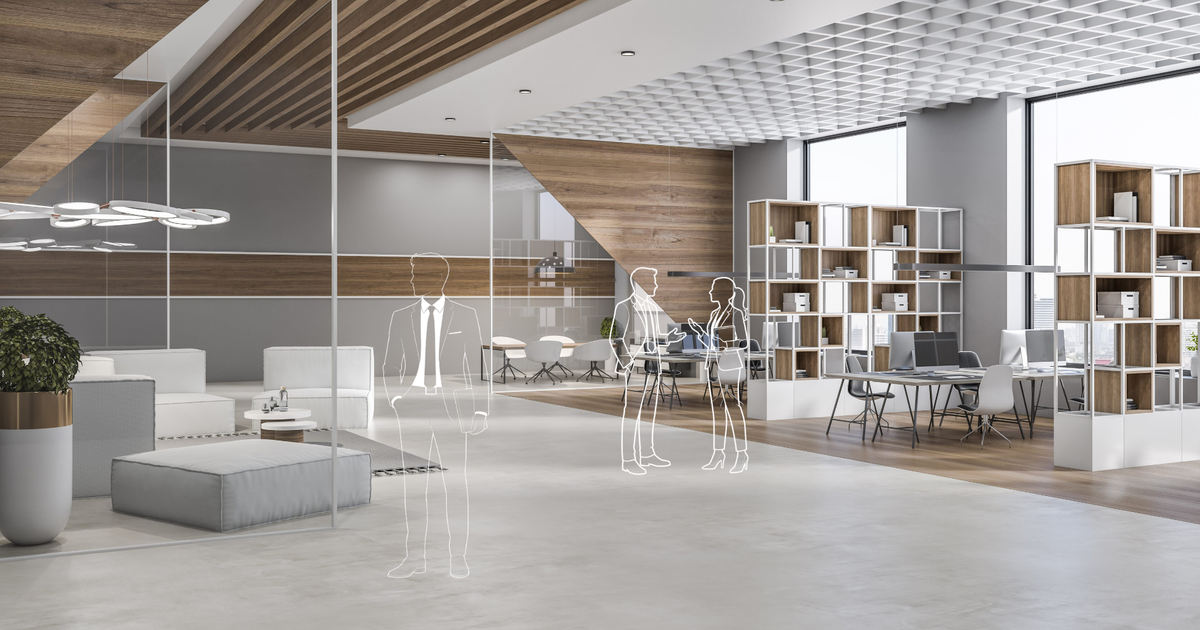
Installing a safety device in a facility open to the public involves more than simply choosing a piece of equipment and finding a place for it. To be truly effective, a safety device must be suited to the environment, the situations that staff may face, and the layout of the premises.
That is precisely the point of an early-stage consultation process: to observe, understand, and identify the most appropriate solutions before any installation takes place.
Take into account the realities on the ground
Every institution has its own unique circumstances
Every facility is different. A corporate reception area, a healthcare facility, a government office, a retail store, or a school do not have the same spaces, the same foot traffic, or the same sources of stress.
Before installing an ARA coat rack, it is therefore essential to identify the areas where staff are most likely to encounter a challenging situation: the reception area, waiting area, service counter, entrance, or high-traffic area.
The goal is not to install safety coat racks everywhere. Rather, it is to determine how many are needed and where the most strategic locations are, so that the equipment is easily accessible when the situation calls for it.
Effective protection begins with a good understanding of the premises
A situation involving aggression or tension rarely leaves time to think about the best course of action. When a professional finds themselves facing a situation that is escalating, the proper decision-making process must kick in immediately.
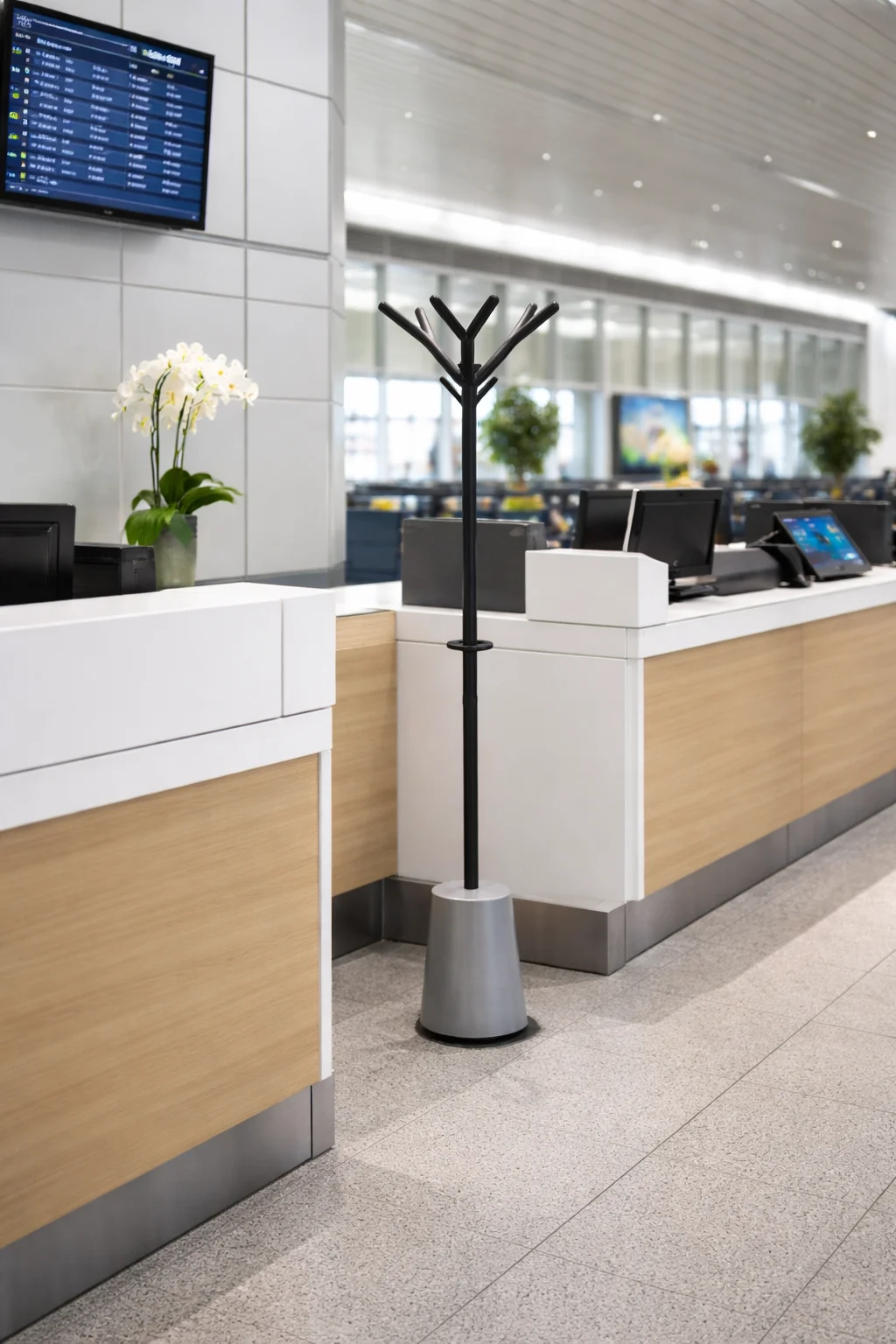
The placement of the ARA safety coat rack must therefore be planned in advance. Is it easily accessible? Does it fit naturally into the environment? Does it allow the professional to react quickly while maintaining a safe distance?
This approach makes it possible to transform a simple piece of equipment into a true prevention and protection solution that integrates naturally into the work environment.
Protect the space without altering it
At ARA Protection, we believe that protection doesn't have to be visible to be effective.
Our approach to “soft security” is based on this idea: ensuring the safety of staff while maintaining welcoming, open, and reassuring spaces.
The recommendation audit thus helps strike the right balance between accessibility, effectiveness, and discretion.
A facility tailored to on-the-ground realities
A good recommendation is not limited to a layout plan. It must take into account the teams’ uses and habits, the situations they may encounter, and the site’s specific characteristics.
In particular, it helps determine the number of devices needed and their strategic locations, in order to avoid both under-equipment and the unnecessary installation of devices.
This approach is particularly important and helps integrate security equipment into a more comprehensive prevention strategy: equipment is no substitute for team preparedness. Rather, it is part of a broader framework that combines foresight, staff training, and safety measures.
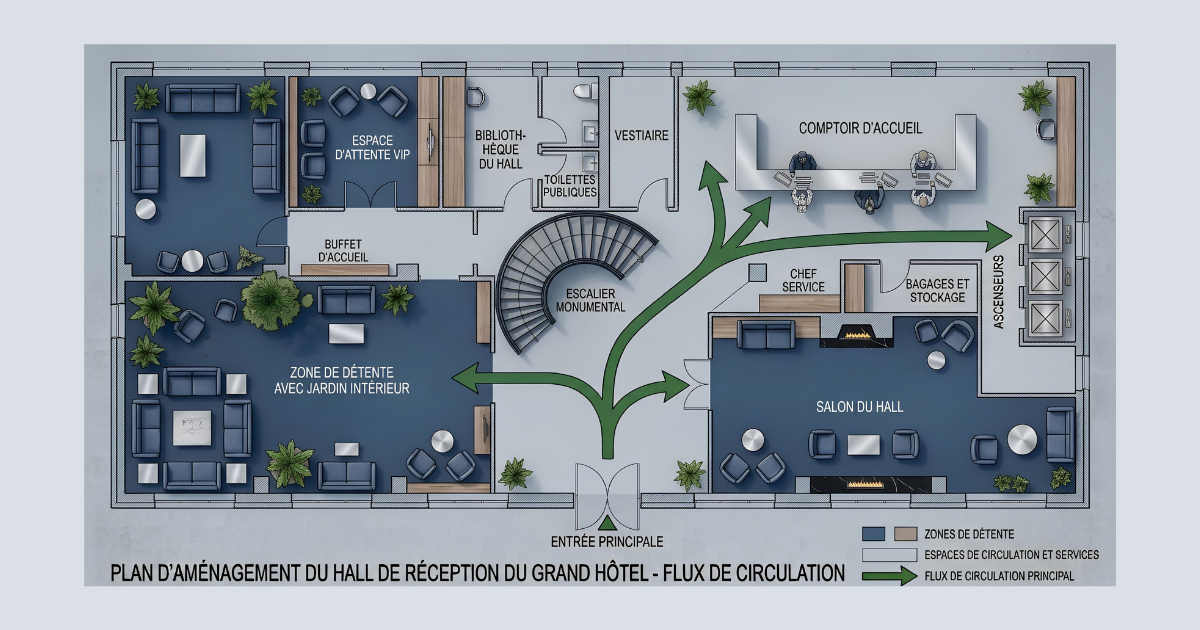
The right protection, in the right place
Before installing a safety device, taking the time to observe and analyze the situation allows you to make a more informed choice.
At ARA Protection, we don't aim to simply increase the number of coat racks we install. We aim to provide a solution tailored to each environment and each work situation.
Because when it comes to protection, the question isn't just: "What equipment should I choose?", cIt also means: “Where will it actually be useful, accessible, and effective when action is needed?”
That is precisely the purpose of the ARA Protection recommendation audit: to transform the on-site analysis into a concrete, coherent protection strategy tailored to the specific circumstances of each facility.
FAQ