

First Class of ARA Protection Trainers
ARA Protection is taking a new step forward with its first certified trainer training program. This inaugural session officially launches its training department. Its goal: to support professionals who face assaults and high-risk situations.
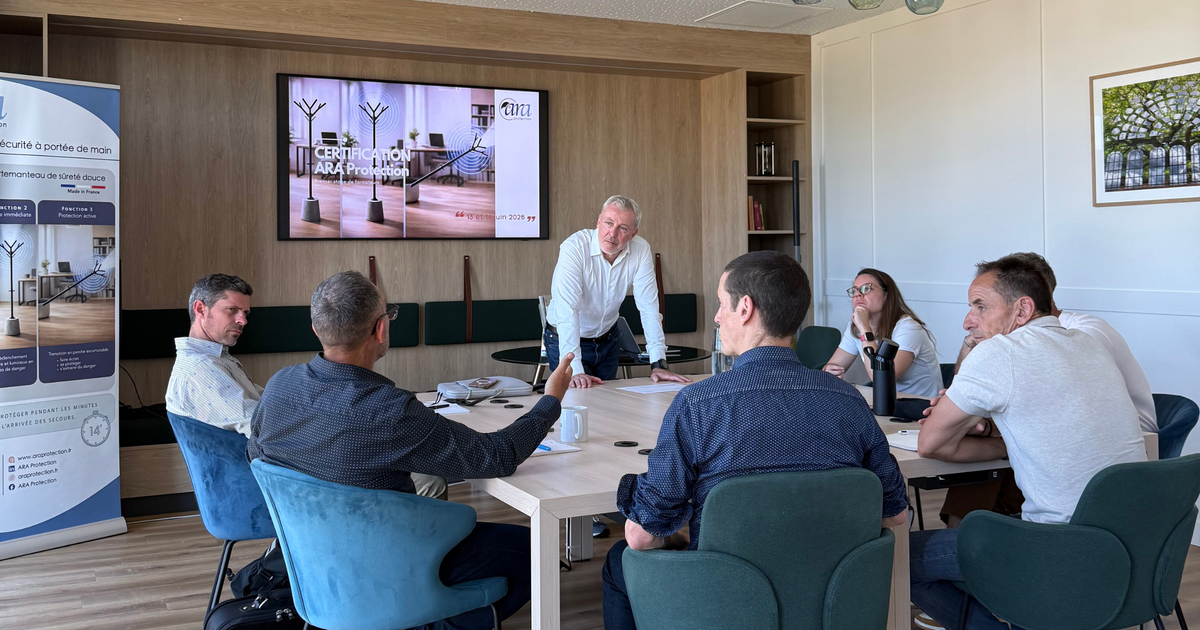
First Trainer Training Session
On June 13 and 14, a major milestone in the development of ARA Protection took place: the very first training session for certified trainers. Over the course of two days, five experienced professionals gathered to learn about the curriculum, teaching methods, and principles that will now form the foundation of ARA Protection training programs throughout France.
This inaugural session marks the start of an ambitious nationwide rollout and the official launch of ARA Protection’s training department. The goal is clear: to support professionals and organizations that interact with the public in dealing with situations involving tension, incivility, or aggression—issues that affect many industries today.
Training to Better Prevent Risky Situations
A response to a growing social issue
Violence against professionals who interact with the public is a growing concern. Receptionists, healthcare workers, security guards, retail workers, public service employees, and emergency personnel are regularly confronted with aggressive behavior that can escalate to physical violence. Figures published by public agencies reflect this reality.
In 2025, nearly 473,000 victims of physical violence were recorded in France, representing a 5% increase from the previous year. This amounts to nearly 1,300 victims every day. In the healthcare sector, more than 20,000 reports of harm to people and property were recorded in 2024.
Behind these statistics lies a daily reality faced by many professionals whose job is, after all, to welcome, assist, or protect the public. In light of this trend, companies and organizations are increasingly seeking solutions to strengthen prevention efforts, improve team preparedness, and foster a genuine culture of safety.
Sources: Ministry of the Interior – Interstats; ONVS 2025 Report – Ministry of Health; Vie Publique.
The first class of experienced professionals
For this first session, five participants joined the ARA Protection trainer program.
All of them have extensive experience in the field of training and have particularly rich operational backgrounds. The group included, in particular, former members of the Gendarmerie, professionals from the police force, and the president of an association specializing in self-defense.
This diversity of experiences helped foster discussion and enrich the work carried out over the course of these two days. Beyond individual skills, the goal was to share a common vision of prevention, the management of difficult situations, and educational outreach.
Participants were thus prepared to implement the training programs developed by ARA Protection, particularly for corporate staff and security professionals. Special attention was paid to the consistency of the content, the quality of instruction, and the adoption of the doctrine that will guide future sessions.
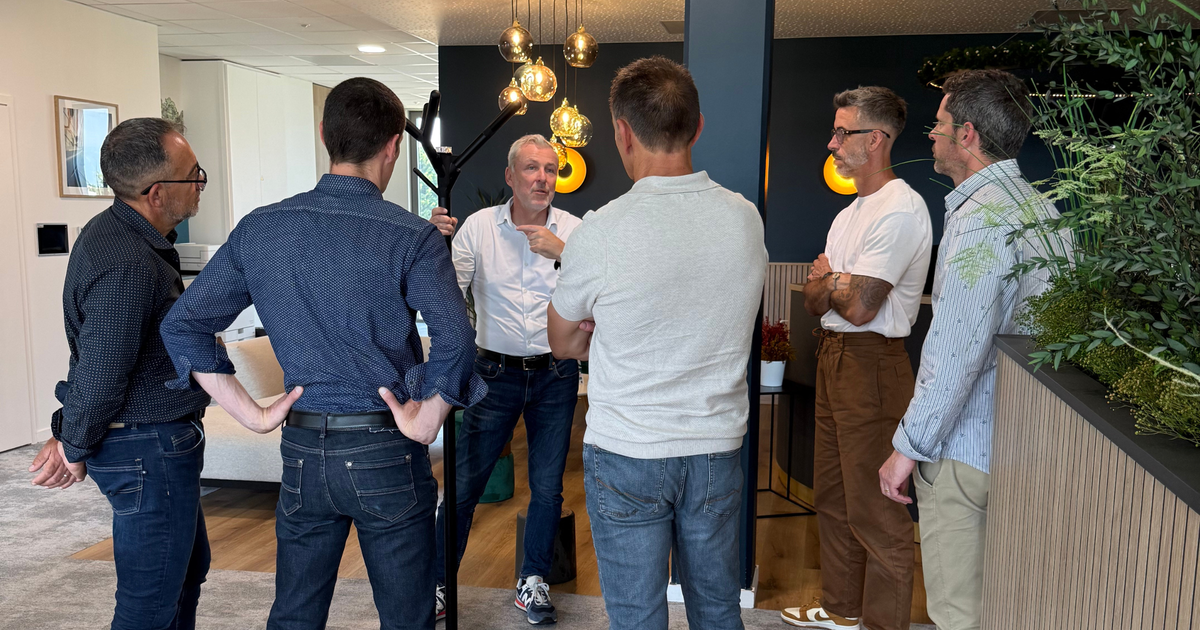
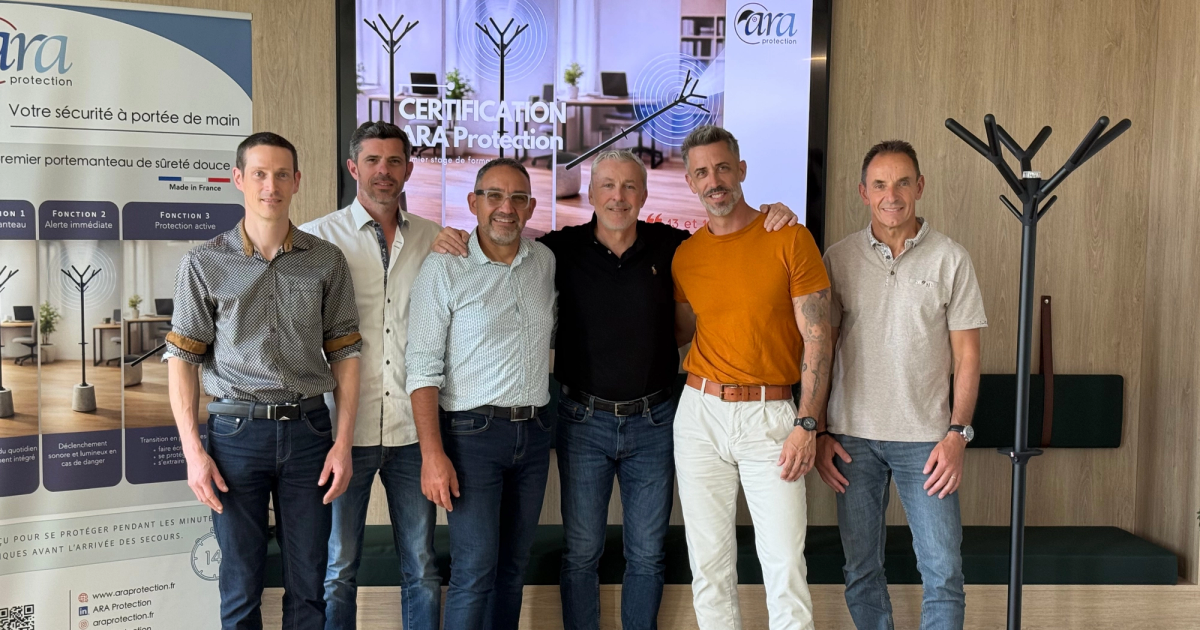
A New Milestone for ARA Protection
The development of this training program is in line with ARA Protection’s vision: to offer organizations that serve the public practical solutions that combine prevention, innovation, and workforce development.
This first training-of-trainers program thus represents an important step in the company’s organizational development. Beyond imparting common teaching methods, it lays the groundwork for the future nationwide rollout of ARA Protection training programs.
The interest generated by this first edition confirms the value of this initiative. A new train-the-trainer session is already scheduled for October and is already fully booked.
This is a particularly encouraging trend for ARA Protection’s training department, which continues to grow with the goal of addressing a societal challenge that has become unavoidable: better preparing professionals who face violence and high-risk situations in public spaces.

FAQ